If your U.S. brand treats SEO and social media as separate strategies, you are slowing your own growth.
Not a little. A lot. Its ’ve been seen many brands with technically perfect SEO struggle for months, while other brands with average websites outrank them simply because people already know the name. That doesn’t happen by accident. It happens because social media plants the seed long before Google gets involved.
SEO Alone Isn’t Enough Anymore
Ten years ago, you could rank a U.S. website with good keywords and backlinks. That era is mostly over. Today, Google favors brands that feel familiar. When users recognize your name in search results, they click faster. They stay longer. They trust you more. Those behaviors compound over time.
Where Does That Familiarity Come From?
Not from meta descriptions. From repeated exposure on social media. This is why two pages with similar content don’t perform the same. The one attached to a visible brand wins.
Social Media Is The Front Door, Not The Side Channel
Most marketers still treat social media like a promotion tool. Post the link. Get a few clicks. Move on. That’s the wrong mental model. For U.S. brands, social media is the first touchpoint. It’s where people form opinions before they ever search. By the time they land on your site, their mind is already half made up.
When that happens, SEO works better.
- People don’t bounce as fast.
- They scroll.
- They explore.
- They convert.
That’s not a ranking hack. That’s human behavior.
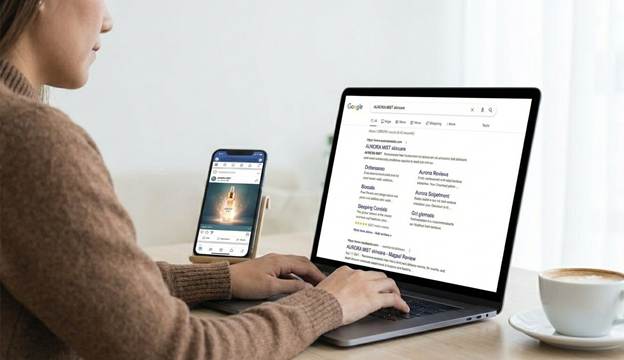
Branded Searches Are The Real SEO Advantage
Here’s something most SEO audits won’t tell you:
Branded Searches Are A Competitive Moat
When people search your brand name, especially in the U.S. market, Google learns that you matter. It’s one of the strongest trust signals you can earn without buying ads.
Contact Us For Best Seo Service In The Town!
Social Media Is The Fastest Way To Increase Branded Searches
Every post, video, or comment that sticks in someone’s mind increases the chance they’ll search for you later. That search lifts everything else you’re trying to rank for.
Why “Social Signals Don’t Matter” Is A Lazy Argument
Yes, Google doesn’t rank pages based on likes or shares. That argument misses the point.
Social media affects:
- Who finds your content
- Who links to it
- How users behave on your site
- Whether your brand feels familiar or forgettable
SEO doesn’t operate in a vacuum. It reacts to how real people interact with your brand across the internet. Social media is where most of that interaction starts.
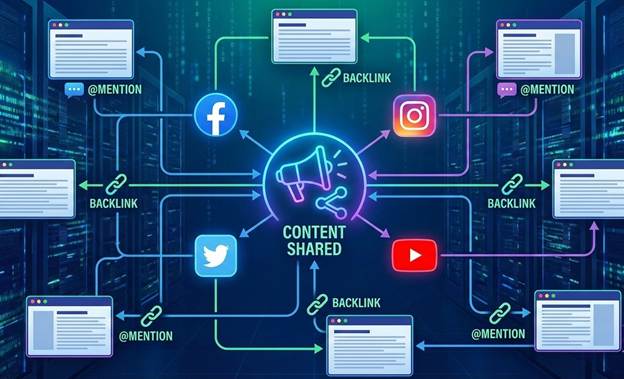
Backlinks Follow Attention
No one links to content they’ve never seen. Social media is where journalists, creators, and marketers discover ideas. When your content shows up in their feed, and actually says something worth reading, backlinks happen naturally.
This is especially true in the U.S., where content saturation is high and attention is currency. Good SEO doesn’t chase links anymore. It earns them through visibility.
Consistency Beats Optimization
A consistent brand with “good enough” SEO will beat a perfectly optimized site with no voice. When your blog topics, social posts, captions, and messaging align, your brand becomes easier to understand. That clarity shows up in search performance over time. Search engines reward brands that feel real, not robotic.
FAQs
Does Social Media Directly Improve SEO Rankings?
No. But it shapes the behaviors that SEO depends on — traffic quality, engagement, brand trust, and backlinks.
Which Social Platforms Matter Most For U.S. Brands?
LinkedIn and X (Twitter) for authority and B2B. Instagram, Facebook, and TikTok for visibility and brand memory.
Should SEO Or Social Media Come First?
Neither. Social creates demand. SEO captures it. Separating them is the mistake.
Final Words
SEO without social media is slow. Social media without SEO is unstable. But together? They build brands people search for, not just pages that rank. And in the U.S. market, being searched matters more than being optimized.